

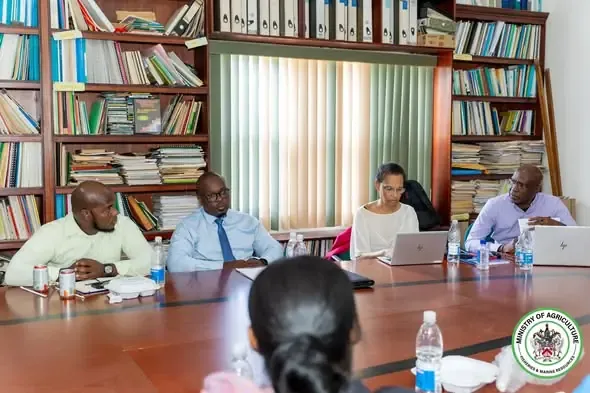
The Food and Agriculture Organization (FAO) recently conducted a visit to St. Kitts and Nevis to advance discussions on sustainable agriculture and bolster food security initiatives across the island nation. Minister of Agriculture, Samal Duggins, formally welcomed the FAO delegation, initiating a series of productive engagements aimed at strengthening the federation’s agricultural and marine sectors.
Advancing Sustainable Agriculture and Food Security
During the visit, Minister Duggins and Permanent Secretary Randel Thompson met with FAO representatives Renata Clarke and Anthony Kellaman. This meeting served to reaffirm the ministry’s dedication to promoting sustainable agriculture, fisheries, food security, and rural development within St. Kitts and Nevis. A key agenda item was the Country Programming Framework (CPF), a strategic document guiding FAO’s collaboration with member countries. Officials delved into discussions on how to enhance the resilience, growth, and sustainability of both the marine and agricultural sectors through strengthened partnerships.
The FAO’s presence underscored a commitment to collaborative efforts that are vital for the long-term prosperity and self-sufficiency of the federation’s food systems. These discussions are crucial for developing robust strategies that can withstand environmental challenges and market fluctuations, ensuring a stable food supply for the nation.
Exploring Black Soldier Fly (BSF) Production Potential
A significant focus of the FAO’s visit involved examining potential sites for the establishment of Black Soldier Fly (BSF) production facilities. Rakesh Bhukal, representing the FAO, accompanied by officers from the Department of Agriculture, conducted site visits to several locations, including Bayford’s, Needmust, Conaree, and the Eco Park. The objective was to assess the suitability of these areas for developing insect-based solutions.
The Department of Agriculture highlighted the importance of BSF technology, noting its multifaceted benefits. Black Soldier Flies play a crucial role in supporting agriculture by providing a sustainable source of protein for animal feed, thereby reducing reliance on imported feed ingredients. Furthermore, their larvae are highly effective at consuming organic waste, contributing significantly to waste management efforts within the federation. This initiative aligns with global efforts to create circular economies and reduce agricultural waste.
The insights gathered from these site visits are expected to inform the strategic planning and implementation of BSF production, paving the way for innovative and sustainable practices in livestock feed production and waste reduction. This exploration into insect farming represents a forward-thinking approach to agricultural development, offering economic and environmental advantages.
Strengthening Collaboration and Future Outlook
The FAO delegation also held a plenary meeting with the Department of Agriculture, bringing together key stakeholders. Dr. Renata Clarke, Head of the FAO Subregional Office for the Caribbean, and Anthony Kellman, Projects Officer, represented the FAO. The St. Kitts and Nevis delegation included Permanent Secretary Randel Thompson and other departmental officers. This high-level engagement was instrumental in solidifying the collaborative partnership between the federation and the FAO.
The ministry emphasized that through this ongoing collaboration, they are continuously working towards advancing sustainable agriculture, enhancing fisheries, ensuring food security, and improving the overall agricultural sector in St. Kitts and Nevis. The partnership is geared towards leveraging FAO’s expertise and resources to implement effective policies and programs that foster a more robust and sustainable agricultural landscape.
The visit concluded with a shared understanding of the challenges and opportunities within St. Kitts and Nevis’s agricultural sector. Both parties expressed optimism about the potential for these initiatives to yield significant positive impacts, contributing to national development goals and enhancing the livelihoods of citizens. The focus remains on building a resilient and self-sufficient agricultural future for the federation.
Key Takeaways from the FAO Visit:
- Reaffirmation of commitment to sustainable agriculture, fisheries, food security, and rural development.
- Exploration of potential sites for Black Soldier Fly (BSF) production.
- Discussions on strengthening collaboration through the Country Programming Framework (CPF).
- Focus on enhancing resilience, growth, and sustainability in marine and agricultural sectors.
- Recognition of BSF’s role in supporting agriculture, livestock, and waste management.
The collaborative efforts between St. Kitts and Nevis and the FAO are poised to drive significant advancements in the nation’s food systems, promoting environmental stewardship and economic growth within the agricultural community.
