

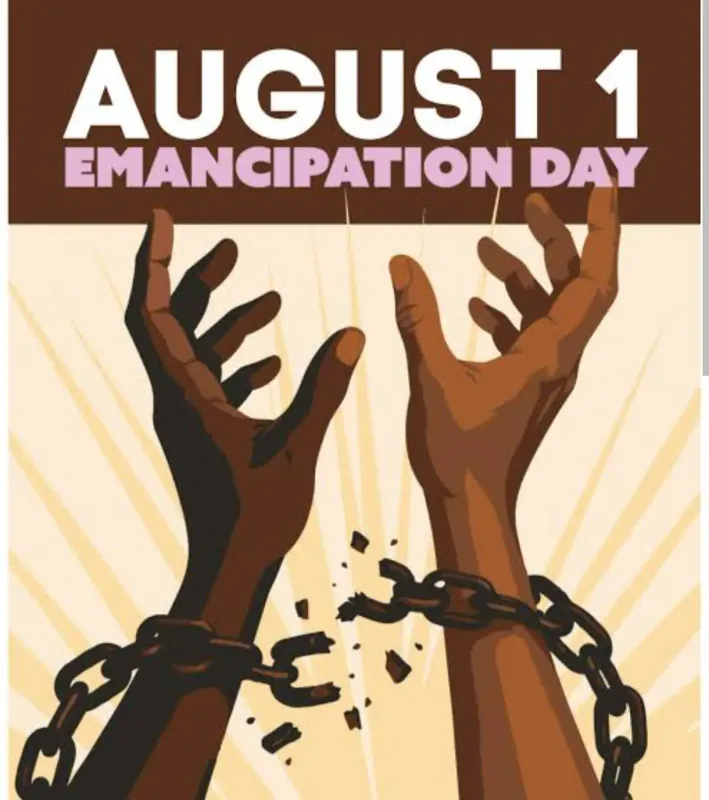
St. Kitts and Nevis observed Emancipation Day on August 1, 2026, a significant occasion dedicated to honoring the profound historical connections between the nation’s people and the continent of Africa. This annual commemoration serves as a vital moment to reflect on the arduous journey toward freedom and to celebrate the enduring spirit of African heritage.
The Significance of Emancipation Day
Emancipation Day holds deep historical roots, dating back to August 1, 1834, when it marked the legal abolition of bondage across British colonies. The first recorded observance of Emancipation Day took place on August 1, 1934, shedding light on the often-unjust history experienced by enslaved Africans. In St. Kitts and Nevis, the day is annually dedicated to acknowledging and celebrating the persistent struggles and triumphs of people of African descent, particularly those impacted by the transatlantic slave trade.
While August 1 is recognized as Emancipation Day in many parts of the world, including the wider Caribbean region, St. Kitts and Nevis specifically commemorates this event on the first Monday of August. This tradition ensures a dedicated time for national reflection and celebration.
Prime Minister’s Message of Remembrance and Hope
Prime Minister Dr. Terrance Drew extended his heartfelt wishes to the nation on this important occasion. In his message, he emphasized the importance of remembering the resilience and sacrifices of ancestors. “Today, we honor the strength, sacrifice and unbreakable spirit of those who came before us, whose struggle made our lives and possibilities possible,” Dr. Drew stated, underscoring the profound impact of past generations on present-day freedoms and opportunities.
Looking toward the future, the Prime Minister expressed a strong commitment to national development. “May we continue to build a St. Kitts and Nevis where every person can live with purpose, opportunity and pride, and where the lessons of the past guide us toward a more just and prosperous future,” he remarked. This sentiment highlights a vision for a nation that not only remembers its history but also actively works to create a more equitable and thriving society for all its citizens.
Commemoration of the MV Christena Disaster
In addition to marking Emancipation Day, Prime Minister Dr. Terrance Drew also paid tribute to the victims of the MV Christena Disaster, commemorating its 56th anniversary. This tragic event, which occurred on August 1, 1972, remains one of the most somber moments in the nation’s history. The sinking of the ferry claimed the lives of 71 people, many of whom were returning to Nevis from St. Kitts.
The Prime Minister’s acknowledgment of this disaster alongside Emancipation Day underscores a broader theme of remembering historical struggles and sacrifices. The MV Christena disaster serves as a poignant reminder of the fragility of life and the importance of community solidarity, even as the nation celebrates freedom and heritage.
Broader Context and African Heritage
Emancipation Day celebrations across the Caribbean and beyond are critical for maintaining a connection to African roots and acknowledging the historical injustices faced by enslaved peoples. These observances foster a sense of shared identity and collective memory, reinforcing the cultural and historical ties that bind communities. The traditions, music, and storytelling associated with Emancipation Day play a vital role in passing down this heritage to younger generations.
The fight for freedom and equality, symbolized by Emancipation Day, continues to inspire movements for social justice worldwide. In St. Kitts and Nevis, the commemoration is not just a historical reflection but also an affirmation of the nation’s resilience, cultural richness, and ongoing commitment to building a future grounded in the principles of liberty and justice for all.
Conclusion
Emancipation Day in St. Kitts and Nevis stands as a powerful testament to the enduring legacy of those who fought for freedom. By honoring the past, celebrating African heritage, and reflecting on both triumphs and tragedies, the nation reinforces its commitment to a future defined by opportunity, pride, and unity. The annual observance serves as a crucial reminder of the journey taken and the continuous effort required to build a more just and prosperous society.
