

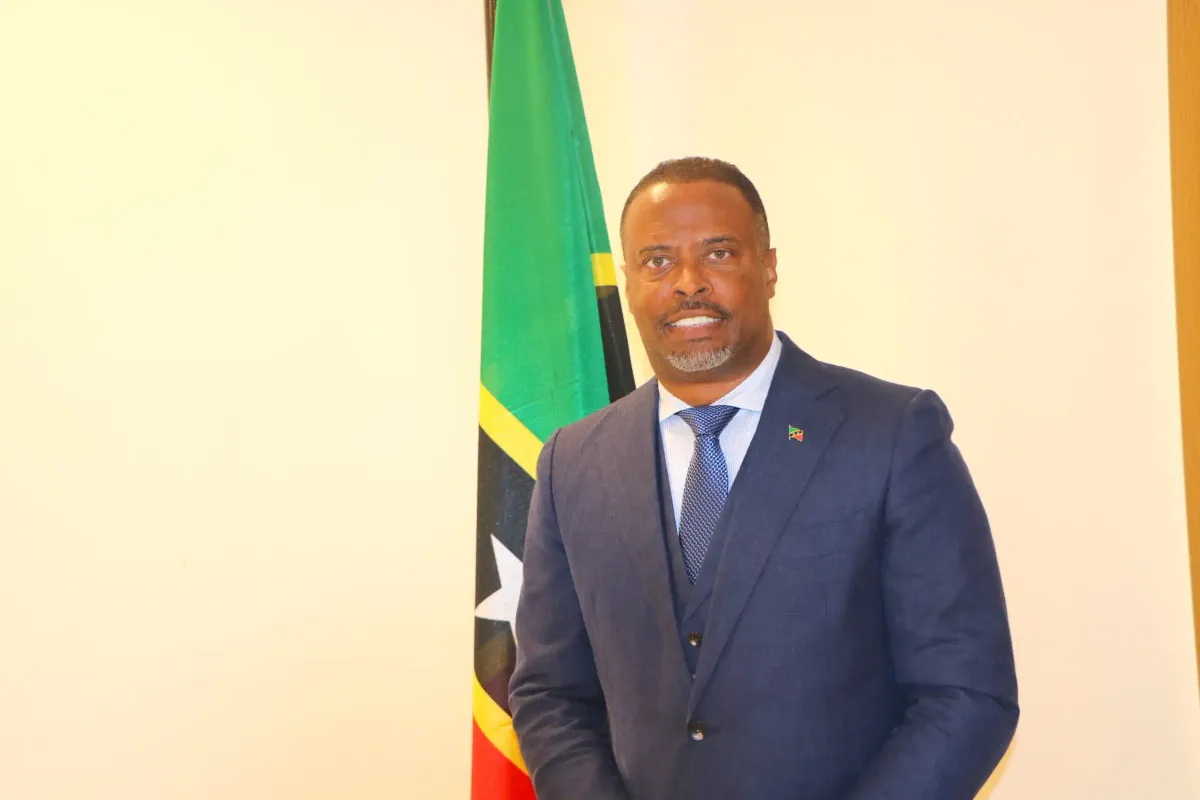
Premier Mark Brantley of Nevis highlighted the escalating challenge of animal overpopulation during a recent press conference. The island grapples with surging numbers of monkeys, donkeys, and stray livestock, which reproduce rapidly due to their undomesticated nature.
Persistent Population Control Struggles
Despite ongoing efforts by the Nevis Island Administration, measures to curb the growth have fallen short. Brantley stated, “Clearly, they’re reproducing constantly, and none of the programs we’ve tried has been completely successful.”
Government initiatives have included culling programs and incentives for residents to reduce monkey populations. “We were actually paying persons across the island who provide evidence that they had culled monkeys,” the Premier explained. However, these efforts proved financially unsustainable over time.
Public Demands and International Backlash
Residents have pressed for tougher population controls, yet the administration faced sharp criticism. International animal welfare groups labeled the culling inhumane, with locals accusing officials of cruelty without grasping the on-the-ground realities.
Exploring Sustainable Alternatives
Authorities tested innovative options, such as hillside feeding stations to lure monkeys away from communities and farmlands. Public opposition forced the program’s cancellation, prompting the assigned consultant’s departure.
Brantley emphasized the intensifying conflicts between wildlife and humans, urging farmers to handle their livestock responsibly. He called for fresh, collaborative approaches to resolve this enduring issue.
