

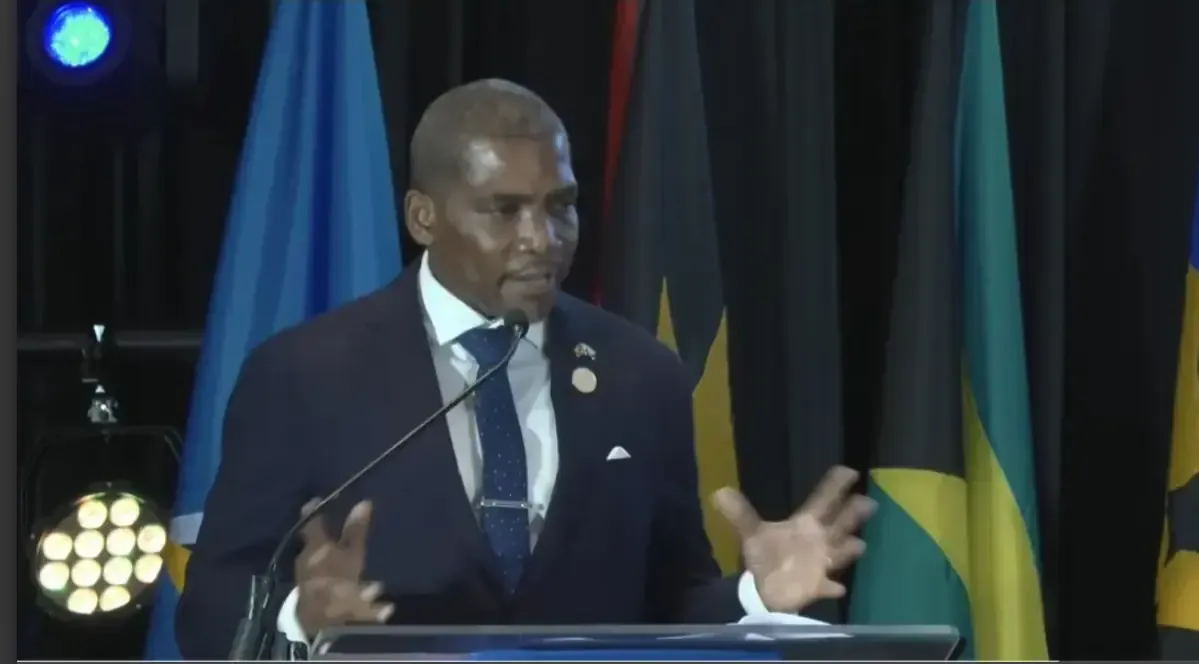
The outgoing Chairman of the Caribbean Community (CARICOM), Dr. Terrance Drew, has issued a strong appeal to his fellow regional leaders, urging them to prioritize attendance at crucial decision-making meetings. Dr. Drew expressed significant disappointment over instances where leaders have been absent during pivotal moments, emphasizing the need for unified presence when the community grapples with matters of great importance.
Call for Consistent Leadership Engagement
Speaking at the opening of the 51st regular meeting of CARICOM Heads of State, Dr. Drew articulated his core message: “Whenever this community faces matters of great significance, let us ensure that every head of government makes every effort to be present.” This sentiment was particularly relevant in the context of discussions surrounding the potential re-appointment of Dr. Carla Barnett for a second five-year term as CARICOM Secretary-General, a term slated to commence in August. The appointment process has reportedly faced considerable opposition, notably from the government of Trinidad and Tobago.
Dispute Over Appointment Process
The government of Trinidad and Tobago has voiced strong objections to the reappointment of Dr. Barnett. Prime Minister Kamla Persad-Bissessar of Trinidad and Tobago notably did not attend a virtual CARICOM Summit where her concerns regarding Dr. Barnett’s appointment procedure were scheduled for discussion. This absence highlights a broader concern about engagement and consensus-building within the regional body.
Emphasis on In-House Resolution and Candid Dialogue
Dr. Drew stressed the importance of addressing and resolving all issues internally within the CARICOM framework. He advocated for resolutions to be forged away from public scrutiny, suggesting that the formal meetings should serve as a genuine platform for candid, collegial discussion. “Trust is strengthened, misunderstandings are resolved, consensus is built,” Dr. Drew stated, underscoring the value of direct interaction among leaders.
He further elaborated on the limitations of public discourse in resolving inter-governmental disagreements: “No newspaper headline has solved a disagreement among Caribbean leaders. No public commentary has ever replaced honest dialogue but respectful conversation among colleagues committed to a common purpose has repeatedly strengthened this community.” This perspective champions the idea that the strength of CARICOM lies in its ability to foster genuine dialogue and build consensus through direct, respectful engagement among its member states.
The Role of Dialogue in Regional Unity
The outgoing CARICOM Chair reiterated his conviction in the power of peaceful dialogue as the primary mechanism for the region to collectively address and resolve its challenges. He highlighted that regional unity, a cornerstone of CARICOM’s mission, is best fortified through such open and honest exchanges. The principle of solidarity and collaborative problem-solving is paramount for the continued effectiveness and cohesion of the Caribbean Community.
The ongoing objections from Trinidad and Tobago’s Prime Minister Persad-Bissessar regarding the appointment process for Dr. Barnett underscore the challenges CARICOM faces in achieving full consensus. Her departure from a CARICOM Summit in St. Kitts and Nevis in February before a decision was finalized further illustrates the complexities involved in navigating differing viewpoints among member states. These instances serve as a backdrop to Dr. Drew’s call for greater leader presence and commitment to the internal resolution of disputes.
Strengthening CARICOM Through Collective Action
Dr. Drew’s appeal is a call to action for all CARICOM leaders to recommit to the principles of active participation and collaborative problem-solving. The effectiveness of CARICOM as a regional integration movement hinges on the consistent engagement of its leadership. When leaders are present and actively involved in discussions, it not only facilitates smoother decision-making but also reinforces the bonds of trust and mutual respect essential for tackling shared challenges.
The process of appointing key officials, such as the CARICOM Secretary-General, is a critical function that requires the full attention and input of all member states. Disagreements, like those expressed by Trinidad and Tobago, are natural within any collaborative body. However, Dr. Drew’s message emphasizes that the appropriate venue for resolving these differences is within the structured, private deliberations of CARICOM meetings, rather than through public pronouncements or absences that can undermine the process.
Looking Ahead: The Importance of Consensus
As CARICOM moves forward, the outgoing Chairman’s remarks serve as a vital reminder of the foundational elements that contribute to its success. The commitment to attend meetings, engage in candid dialogue, and resolve issues internally are not merely procedural matters; they are fundamental to building and maintaining the trust and consensus necessary for effective regional governance. The future strength and unity of the Caribbean Community will undoubtedly be shaped by the willingness of its leaders to be present, participate actively, and uphold the spirit of collaboration in all its endeavors.
The emphasis on respectful conversation among colleagues, committed to a common purpose, highlights the unique nature of CARICOM as a community of nations working towards shared goals. Dr. Drew’s final remarks underscore that while public discourse may highlight disagreements, it is the quiet, dedicated work of leaders engaging directly with one another that truly builds and sustains the regional bloc.
