

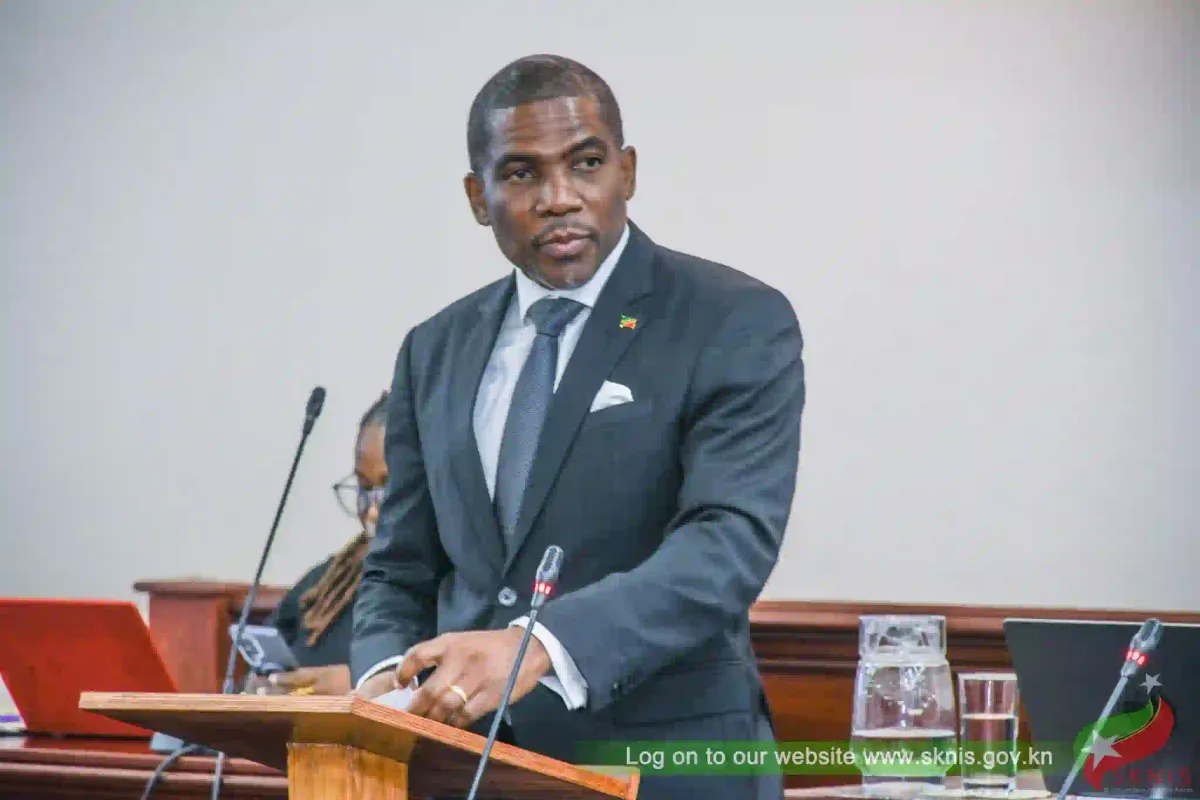
St. Kitts and Nevis Prime Minister Dr. Terrance Drew has been appointed to chair a new Caribbean Community (CARICOM) committee tasked with addressing the rights and issues faced by the Rastafarian community across the region and globally. The announcement followed the Forty-Second Inter-Sessional Meeting of the Conference of Heads of Government on May 8, 2026, during which Dr. Drew also held the position of CARICOM Chairperson.
CARICOM’s Commitment to Inclusion
This initiative underscores CARICOM’s ongoing dedication to promoting equality, social justice, and inclusion throughout its member states. The newly formed committee is mandated to recognize, protect, and advance the rights of Rastafarians, ensuring their equitable treatment and participation within the broader community. The establishment of this body aligns with the organization’s broader mission to foster a regional environment where all individuals are treated with respect and dignity.
Committee Composition and Mandate
The committee comprises representatives from several CARICOM nations, including Barbados, Jamaica, Saint Vincent and the Grenadines, Trinidad and Tobago, and St. Kitts and Nevis. As its chair, Prime Minister Drew will guide the committee’s efforts to identify systemic challenges and advocate for solutions. The committee’s work will involve:
- Engaging with member states to understand specific regional contexts.
- Consulting with Rastafarian organizations and community leaders.
- Identifying historical injustices and contemporary barriers faced by Rastafarians.
- Developing policy recommendations to combat discrimination and promote inclusion.
- Fostering meaningful dialogue among stakeholders.
Prime Minister Drew’s Vision
In accepting the chairmanship, Prime Minister Drew emphasized the significance of the committee’s formation. He stated, “The establishment of this CARICOM Committee represents an important step towards ensuring that Rastafarians are afforded the respect, recognition, and equal opportunities they deserve. Our responsibility is not only to acknowledge the injustices of the past but to work collectively to eliminate the barriers that still exist today.”
Dr. Drew expressed his anticipation for collaborating with fellow member states, the Rastafarian community, and all relevant stakeholders. He highlighted the committee’s role in advancing constructive dialogue and informed policy-making. “We will continue to advance meaningful dialogue, informed policy, and lasting progress that reflects the values of justice, equality, and human dignity upon which our Community is built,” he added.
Path Forward and Expected Outcomes
The committee is slated to commence its operations in the coming months. Its initial phase will involve extensive consultations with member states, Rastafarian organizations, and other key stakeholders. This engagement is crucial for gathering comprehensive insights and ensuring that the committee’s recommendations are well-informed and impactful.
The ultimate goal is to develop concrete recommendations that will bolster regional strategies for eradicating discrimination, rectifying historical inequities, and cultivating a more inclusive Caribbean Community. By addressing these critical issues, CARICOM aims to strengthen its commitment to upholding the human rights and dignity of all its residents, including the Rastafarian population.
Broader Implications for Regional Justice
The formation of this committee signifies a proactive approach by CARICOM to address the specific needs and rights of minority groups within the region. It reflects a growing awareness of the importance of cultural diversity and the need to ensure that all communities feel valued and protected. The committee’s work is expected to set a precedent for how regional bodies can effectively address the concerns of marginalized populations, fostering a more equitable and just society across the Caribbean.
By focusing on recognition, protection, and promotion of rights, the committee aims to move beyond mere acknowledgment of issues to implementing tangible changes. This includes advocating for policy reforms, supporting community-led initiatives, and raising public awareness about the contributions and challenges of the Rastafarian community. The success of this committee will be measured not only by its policy recommendations but also by its ability to foster lasting positive change and strengthen the bonds of inclusivity within the CARICOM region.
