

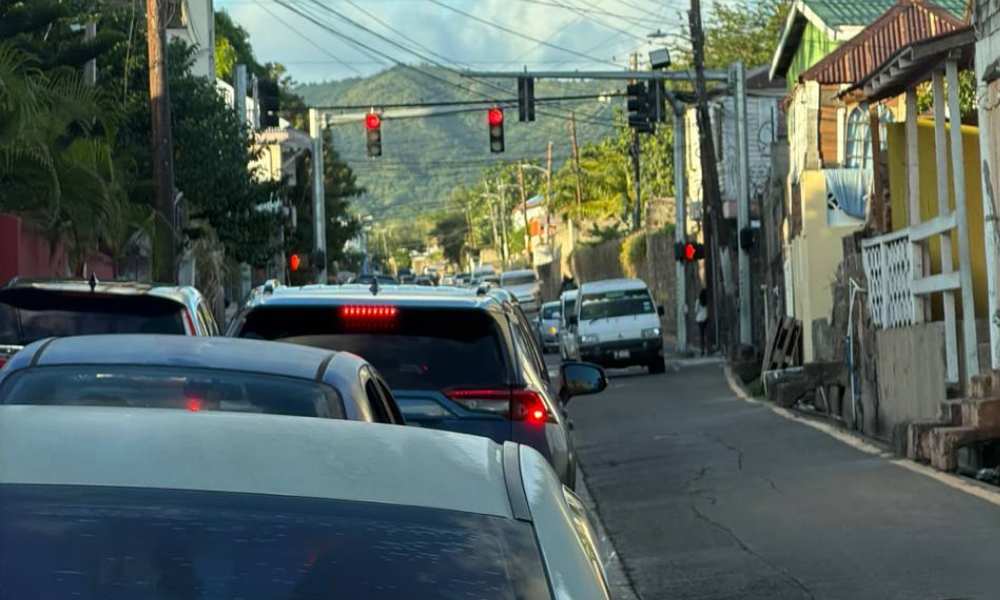
For many residents of St. Kitts, daily commutes were once simple and predictable. Key roads flowed smoothly, intersections were navigated by common sense and courtesy, and traffic jams were rare. That calm has now been replaced with growing frustration as newly installed traffic lights have turned previously easy routes into daily bottlenecks.
Over the past months, traffic lights have been added to areas that locals say never experienced serious congestion before. Instead of improving safety and efficiency, many drivers argue the changes have had the opposite effect—creating long queues, stop-and-go driving, and delays that stretch far beyond peak hours.
“It used to take me a few minutes to get through this road,” one commuter said while waiting at a red light that seemed to last far longer than necessary. “Now you can be stuck here for a long period, even when there’s barely any traffic coming the other way.”
Residents point out that the affected roads handled traffic well for decades without signalisation. With relatively low vehicle volume compared to larger countries, many believe roundabouts, yield signs, or simply leaving intersections untouched would have been more effective solutions.
Another frequent complaint is poor timing and coordination between lights. Drivers report stopping at multiple red lights in quick succession, compounding congestion and increasing fuel consumption. For a country where many rely on cars for work, school runs, and errands, these inefficiencies quickly add up.
Small business owners are also feeling the impact. Delivery drivers face delays, customers arrive late or frustrated, and transport costs rise as vehicles spend more time idling in traffic. Some fear that unnecessary congestion could eventually affect tourism, especially if visitors are met with gridlock in areas once known for their relaxed pace.
While traffic lights are often introduced with safety in mind, residents are questioning whether proper studies were conducted before installation. Many are calling for authorities to review traffic data, consult with local communities, and adjust or remove lights that are clearly causing problems.
For now, the sentiment is clear: what was once an easy drive has become an avoidable daily annoyance. Citizens are not opposed to progress—but they want solutions that actually improve life on the road, not make it worse.
