

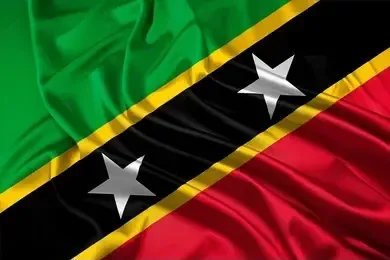
As St. Kitts and Nevis prepares to mark its 43rd anniversary of independence on September 19, 2026, Prime Minister Dr. Terrance Drew has drawn attention to the profound story and symbolism embedded within the nation’s flag. Designed in 1983 in anticipation of the country’s independence, the flag serves as a vibrant tapestry, weaving together the nation’s history, traditions, struggles, and aspirations for the future.
The National Flag: A Visual Narrative
The national flag of St. Kitts and Nevis is a powerful emblem, meticulously crafted to tell the story of the nation’s journey to self-governance and its identity. Each of its five distinct colors, along with the prominent stars, carries specific meaning, reflecting the core elements of the country’s heritage and its outlook.
Green: The Land’s Bounty
The most dominant color on the flag is green, a powerful symbol of the nation’s fertile lands and its rich agricultural heritage. For generations, agriculture has played a pivotal role in the prosperity and sustenance of St. Kitts and Nevis, and the green hue on the flag pays homage to this vital aspect of the country’s economic and cultural landscape.
Red: The Struggle for Freedom
Red is another significant color featured prominently on the flag. It represents the arduous struggle and sacrifices made by the people of St. Kitts and Nevis in their fight for freedom and independence. According to national leadership, this shared struggle has been a unifying force, binding the nation together through a common historical experience.
Black: African Ancestry and Roots
The color black on the flag holds deep significance, symbolizing the African ancestry of the people of St. Kitts and Nevis. It serves as an honor to the nation’s historical connections to Africa and its people, acknowledging the roots that have shaped the cultural identity and heritage of the islanders.
Yellow: Sunshine and Warmth
The flag also features two distinct strips of yellow. These represent the year-round sunshine that blesses the islands and the inherent warmth and hospitality of the people of St. Kitts and Nevis. This element adds a layer of optimism and highlights the welcoming nature of the nation.
White Stars: Hope and Liberty
Finally, the flag is adorned with two white stars. These stars are potent symbols of hope and liberty for the nation. They represent the aspirations and the bright future envisioned for St. Kitts and Nevis, serving as a constant reminder of the nation’s potential and its commitment to progress.
A Living Symbol of Nationhood
Prime Minister Drew emphasized that every color on the flag is a repository of the country’s narrative. Since its adoption in 1983, the flag has been a silent witness to the nation’s evolution over the past four decades. It has unfurled during moments of national celebration, stood firm through periods of challenge, and waved triumphantly during times of collective achievement.
The design of the flag was a deliberate act to encapsulate the essence of nationhood through symbolic representation. It was created to serve not just as a national emblem but as a constant reminder of the journey undertaken, the values cherished, and the future being built. As the nation approaches its 43rd anniversary, the flag continues to embody the spirit and resilience of St. Kitts and Nevis, a testament to its enduring identity and its people’s unwavering hope.
The symbolism inherent in the flag’s design provides a valuable educational tool, offering citizens and visitors alike a deeper understanding of the nation’s history and its cultural fabric. It underscores the importance of national symbols in fostering unity and national pride, particularly as the country reflects on its past and looks forward to continued growth and prosperity.
