

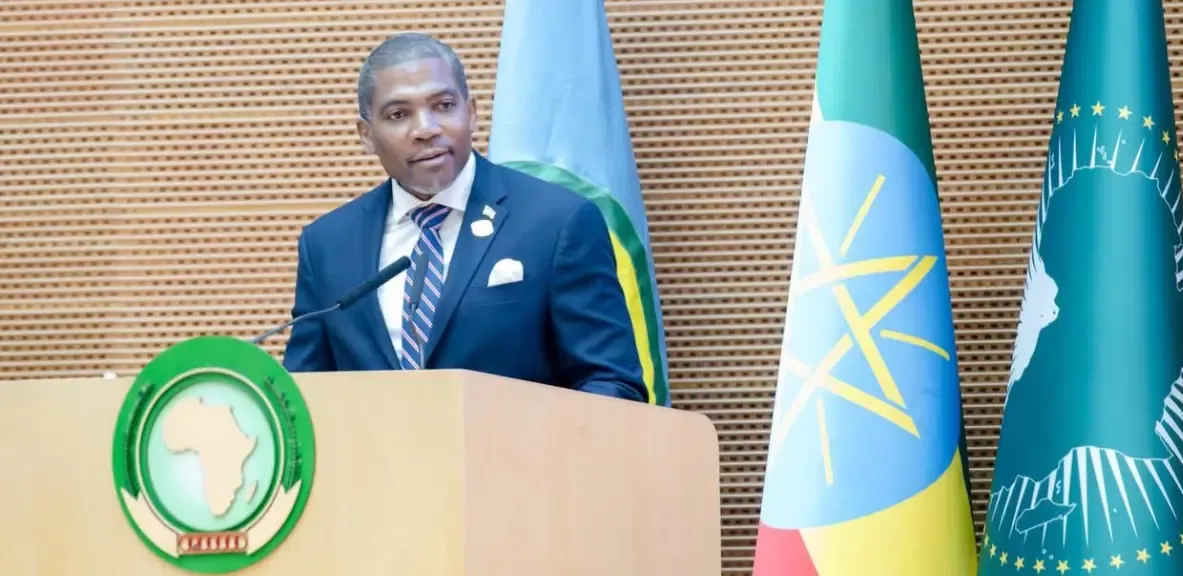
On Monday, September 7, 2026, Dr. Terrance Drew, Prime Minister of St. Kitts and Nevis, marked the fifth observance of Africa-CARICOM Day. This annual commemoration serves to celebrate and underscore the profound historical and cultural connections that bind the Caribbean and African continents. Dr. Drew emphasized that the shared heritage is not merely a matter of the past but is actively strengthened by the resilience and ongoing collaboration between the two regions.
Deep Historical Roots and Cultural Resonance
Prime Minister Drew articulated that Africa is not a distant land but an intrinsic part of the Caribbean identity. “Africa is present in the culture, traditions, and the very identity of the Caribbean People,” he stated. “Africa is present in the very spirit of the Caribbean people.” This deep-seated connection, he explained, is rooted in shared history and is continually nurtured through mutual understanding and shared opportunities.
The Prime Minister highlighted the significance of the Africa-CARICOM Day, noting that it provides a platform for communities across both regions to acknowledge and celebrate their interconnectedness. The relationship, he asserted, is built on a foundation of shared experiences and a collective spirit of resilience, which has been further solidified through active collaboration and the pursuit of mutual opportunities.
St. Kitts and Nevis’s Role in Fostering Ties
In his address, Dr. Drew detailed the proactive steps being taken by St. Kitts and Nevis to cultivate and enhance these vital connections. The nation is committed to transforming the historical ties into tangible cooperation across key economic and social sectors. Efforts are underway to identify and develop collaborative opportunities in areas such as trade, investment, healthcare, education, and cultural exchange.
St. Kitts and Nevis has positioned itself as a leading advocate for increased connectivity and partnership between the Caribbean and Africa. The Prime Minister reiterated his call for a strengthened bond, envisioning a “transatlantic bridge of hope, advancement, and shared prosperity.” He expressed pride in his nation’s contribution to reinforcing the relationship between the Caribbean and the African continent.
Milestones and Future Aspirations
Reflecting on the five-year milestone of Africa-CARICOM Day, Prime Minister Drew acknowledged that the journey toward closer integration is an ongoing and dynamic process. He pointed to concrete achievements as evidence of this growing mandate and the deepening relationship.
A significant development highlighted was St. Kitts and Nevis welcoming a cohort of nurses from Ghana, a practical demonstration of collaboration in the vital healthcare sector. Furthermore, the nation has taken a pioneering step by establishing a historic visa-free corridor. St. Kitts and Nevis became the first Caribbean country to offer visa-free travel privileges with Nigeria, significantly easing movement and fostering greater people-to-people interaction and economic exchange.
The Significance of Africa-CARICOM Day
Africa-CARICOM Day, first observed in 2021, was established to recognize the shared history and cultural heritage between African nations and the Caribbean Community (CARICOM). The day aims to strengthen political, economic, and cultural ties, fostering a sense of solidarity and mutual benefit. The commemoration provides an opportunity for dialogue, partnership building, and the exploration of joint initiatives that can address common challenges and leverage shared strengths.
The annual observance serves as a reminder of the historical diaspora that links Africa and the Caribbean, stemming from the transatlantic slave trade. Despite the painful origins of this connection, contemporary efforts focus on building a future based on cooperation, shared prosperity, and mutual respect. The initiative encourages a unified approach to global issues, promoting the interests of both regions on the international stage.
Expanding Collaboration Across Sectors
The Prime Minister’s remarks underscored a strategic vision for deepening engagement. Beyond the immediate successes, the focus remains on identifying new avenues for collaboration that can yield significant benefits for both Africa and the Caribbean. This includes:
- Economic Partnerships: Exploring new trade agreements, investment opportunities, and joint ventures to stimulate economic growth in both regions.
- Educational Exchange: Facilitating student and faculty exchanges, joint research programs, and the sharing of educational best practices to enhance human capital development.
- Cultural Diplomacy: Promoting cultural festivals, artistic collaborations, and heritage tourism to celebrate and preserve the shared cultural landscape.
- Technological Advancement: Collaborating on initiatives related to digital transformation, innovation, and the adoption of new technologies to drive progress.
- Public Health Initiatives: Building on the success of the nursing program, further strengthening cooperation in health research, disease prevention, and healthcare delivery systems.
Conclusion: A Bridge to Shared Future
Prime Minister Drew’s commemoration of the fifth Africa-CARICOM Day highlighted a clear commitment to strengthening the bonds between Africa and the Caribbean. By acknowledging their shared history and actively pursuing collaborative opportunities, the regions are building a robust framework for future engagement. The initiatives undertaken by St. Kitts and Nevis, particularly the visa-free corridor with Nigeria and the healthcare cooperation with Ghana, exemplify the practical application of this vision. As the relationship continues to evolve, the focus remains on creating a sustainable and prosperous future built on the foundation of unity, mutual respect, and shared advancement.
